Economy & war with Russia: How it could impact you

By now, you’ve heard about Russia’s invasion of Ukraine. What we’re still waiting to see is how the war between the two countries will impact the economy.
While the strongest effects will likely be felt abroad, the conflict is poised to impact the U.S. as well – and it’s already starting in some cases.
Higher fuel prices
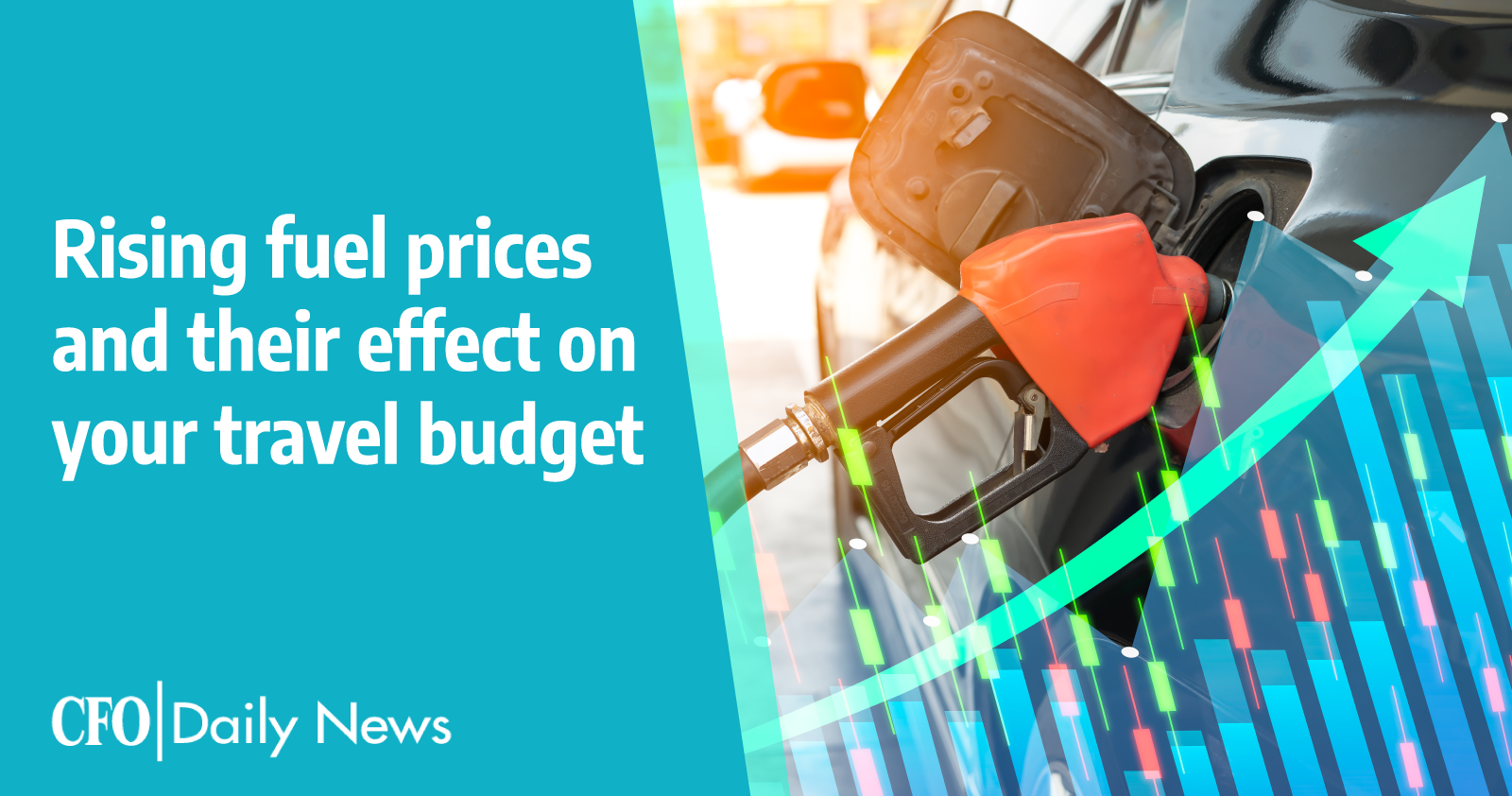
One key area where you’ll continue to see changes in the economy: gas prices.
Russia is one of the top producers of oil and natural gas in the world.
Signs of unrest have already caused gas prices to climb to levels we haven’t seen in years.
The cost of a barrel of oil hit $100 on Feb. 24, 2022, the most expensive it’s been since 2014.
Experts suggest the price could rise to $120 as the invasion continues. The average price of gas is already over $4 per gallon in the U.S. And experts suggest it could get worse.
Business travel outlook
Increasing gas prices will impact the cost of business travel for your people, and that can strain your company’s travel budget for this year.
While rising gas prices have a direct impact on employees taking trips via car, the ripple effects of this increase will also affect other forms of transportation.
Example: Alaska Airlines recently announced that, due to the rising costs of fuel, it’ll be cutting back on airline capacity, reducing the number of seats it’ll offer travelers.
If other airlines follow suit, that could mean fewer choices for your road warriors – and higher prices for the seats that remain. So, how can you make sure costs for your company’s business travel stay as low as possible in such a volatile economy?
For starters, if you’re reimbursing employees for the price of the gas they’re using for business trips, you may want to consider switching to reimbursing them for their miles driven instead using IRS’ mileage rates.
You might also want to huddle with department managers to see if there’s any way to replace planned business trips with more cost-effective options that don’t require driving or flying.
Since many employers are still using virtual communication tools due to COVID, you might be able to substitute in-person meetings in costly locations with virtual gatherings.
The same goes for attending industry conferences, which can still be done remotely in many cases.
When employees have no choice but to travel, remind them that they should keep costs as low as possible.
Other impacts on economy
Along with higher gas prices, the war will have other impacts on the economy you’ll want to watch for.
For starters, we may also see food get more expensive at the grocery store – which could make company celebrations and events pricier. Russia is the largest exporter of wheat in the world, and Ukraine is a significant producer of barley, corn, rye and wheat.
Although this would more directly impact the European market, grocery supply chain disruptions caused by a war would have ripple effects on food prices in the States.
And the volatile stock market, which was already falling before the Russia-Ukraine situation, has been steadily declining ever since.
Time will tell if this puts us in a bear market that lays the foundation for another recession. We’ll keep you posted.
- Share on


Free Training & Resources
Webinars
Provided by Yooz

Further Reading
Are you worried your organization could be falling behind competitors? Could it be at risk from factors like new technologies making your p...
You’re skilled at keeping simultaneous track of your company’s profits and costs, including business operating expenses. Case i...
Even though you may still be working on your organization’s salary increase budget for next year, you should be aware that research i...
Looking ahead to the next year, the majority of CFOs have focused their upcoming investment strategies on three key areas: technology, sale...
Who says Democrats and Republicans can’t agree? A few weeks back, Donald Trump advocated for eliminating taxes on tips of workers in ...
Business budgeting season is coming into the home stretch, making it time to consider important factors such as: Will your budget for n...


