IRS clarifies key step in Voluntary Correction Program

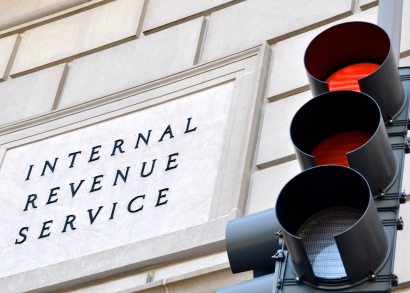
As a benefit plan sponsor, you’ll want to take note of what the IRS said about the Voluntary Correction Program (VCP) process and how to handle unexpected bumps during that process.
Benefit plans that’s aren’t currently being audited by the IRS can apply under the VCP to correct plan errors they uncover for a variety of reasons. The VCP program is one of the safest options for employers to correct plan document or operation errors before those mistakes wind up costing the plan its tax-favored status or lead to costly penalties.
Is the Compliance Statement binding?
The VCP centers on an arrangement between the IRS and the plan sponsor to correct the plan errors without harsh penalties. When a plan sponsor and the feds with the proposed correction of plan failures enter an agreement under the VCP, the feds send out a compliance statement to the plan sponsor.
The statement lists all of the plans failures as well as the VCP applicant’s (aka, the plan sponsor’s) proposed corrections and is contingent upon the plan sponsor taking care of those failures before the end of an agreed upon correction period — generally 150 days.
But what happens when something comes up and a plan sponsor can’t address the issues within that time frame?
That’s what the IRS set out to explain with its recent update.
According to the agency, if a plan sponsor finds out it can’t satisfy the compliance statement within the 150-day time period, it can reach out to the VCP specialist (the person listed on a letter that accompanies the compliance statement) and request an extension. The plan sponsor needs to explain why the extension is necessary and, if it can’t make the changes by the end of the approved correction period, its compliance statement becomes invalid.
And if the deadline is missed, employers will have to do a whole new VCP submission with a new fee along with the previous compliance statement and the reasons why the corrections weren’t completed.
The IRS also reminded employers to keep the compliance statement, proof of corrections and any follow-up letters (including extensions, revised compliance statements, etc.) as proof the plan failures have been resolved.
New fee schedule
If you’re on the fence about using the VCP program, it’s worth noting that the IRS recently lowered the fees for the program.
The revised fee schedule for employee plan user fees are effective Feb. 1, 2016. The new reduced VCP submission fees are:
- 20 or fewer participants fee of $500 (down from $750)
- 21 to 50 participants $750 (from $1,000)
- 51 to 100 participants $1,500 (from $2,500)
- 101 to 1,000 participants $5,000
- 1,001 to 10,000 participants $10,000, and
- Over 10,000 participants $15,000 (from $25,000).
- Share on


Free Training & Resources

Further Reading
Full disclosure: We never know for certain which topics will grab the attention of CFOs, controllers and other finance professionals. O...
The Biden administration is planning to add another reporting requirement for publicly traded companies. This time it’s taxes paid to...
There’s no need to panic if you or one of your staffers discover they’ve made mistakes with your company’s 401(k) plan.&nb...
Not all companies handle payroll records the same way. Firms may keep data in multiple systems — payroll, HR, timekeeping and the gen...
In case your finance team had been in cruise control heading into year-end because IRS’s quarterly interest rates hadn’t change...
Heads up: Accountants will no longer enjoy a 45-day grace period to file financial reports after completing an audit. The Public Company...


