Supreme Court goes pro-employer in high-stakes pay case

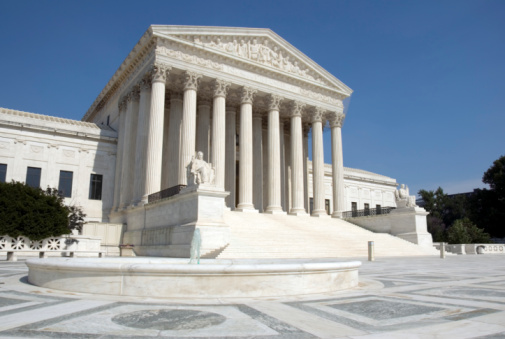
The highest court in the country just issued a ruling in a case that could’ve had huge implications for employers everywhere.
Fortunately, the Supreme Court took a pro-employer stance in this one – although it does open the door to potential issues down the road.
Clothes or safety gear?
The case was Sandifer v. U.S. Steel Corp., and it involved workers who claimed they should’ve been paid for the time they spent putting on and taking off their safety gear.
Before the case wound up in front of the Supreme Court, the feds had said any time workers spent “changing clothes” could be excluded from compensable time, unless a union contract stated otherwise.
U.S. Steel’s contract didn’t include anything about paying workers for changing clothes. But workers argued they weren’t changing “clothes,” they were actually putting on safety gear.
The High Court’s unanimous ruling: The time workers spent changing clothes isn’t compensable because safety gear generally fits within the definition of clothing.
No definitive list
The Court did say that items like safety glasses, ear plugs and respirators generally aren’t viewed as clothes and should be considered safety equipment.
And Justice Antonin Scalia acknowledged that a ruling separating different clothing items from safety items would create problems for judges in future cases.
As it stands, the Supreme Court failed to spell out exactly what counts as safety gear and what doesn’t. It did, however, categorize the 12 items listed in the U.S. Steel lawsuit as either safety gear or clothing.
Because all safety gear isn’t considered clothing, we’re likely to see more “changing clothes” lawsuits down the road. And lower courts will have to look to the Supreme Court’s ruling in this case for guidance.
- Share on


Free Training & Resources
Webinars
Provided by Yooz

Further Reading
A federal court found a worker had been misclassified and identified more than 800 hours of potential overtime. But the Fifth Circuit still...
Workplace misconduct isn’t just a legal risk – it’s a financial one. A recent court case alleging a hostile work environment against ...
We’re only halfway through winter, so Jack Frost isn’t quite finished with us yet. In other words, now’s a good time to review...
Regulators are intensifying audits of worker misclassification, elevating it from an administrative detail to a recurring financial risk. C...
Wage and hour litigation presents a recurring financial risk, with new data highlighting variability in employer exposure under the FLSA. ...
In a single month, federal regulators proposed $831,545 in OSHA penalties connected to workplace fatalities across four states and multiple...


