Chronic conditions and FMLA leave: How far can you go to get proof?

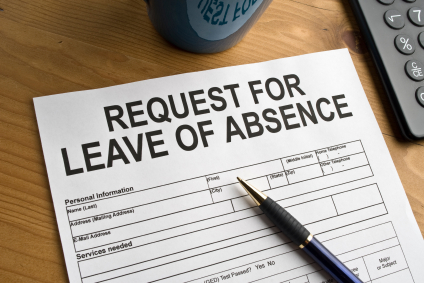
CFOs want to do everything in their power to prevent FMLA abuse. But the question is: How aggressive can you be in determining whether a staffer’s medical issue is a bonafide “chronic condition” that requires intermittent FMLA leave?
That’s a tricky leave-administration question many employers struggle to answer.
The two-visit rule
The FMLA says in order for a medical issue to qualify as a chronic condition, it:
requires periodic visits (defined as at least twice a year) for treatment by a health care provider, or by a nurse under direct supervision of a health care provider.
But what happens when an employee has only gotten treatment once during the course of a year?
In regards to the two-visit rule, many employers opt to play it safe and allow employees as much time as possible to get that second visit in.
So leave is generally granted as long as the employee has another doctor’s visit within the following 12 months.
Aggressive enforcement
But some employers want to be more aggressive in their leave administration and follow the DOL’s two-visit rule more strictly.
After all, unexpected absences can wreak havoc on productivity, so employers should be able to do everything to make sure the leave is actually warranted.
Lusk v. Virginia Panel Corp. tackled this very issue.
In that case, an employee didn’t visit the doctor at all in the year leading up to requesting FMLA leave for a mental health condition.
Her argument: The two-visit treatment requirement could be met after she actually took leave.
Prior to the leave request
Not only did a court disagree with the employee’s interpretation of the two-visit rule, it also established a precedent employers could use when they are facing similar situations.
According to the court, employers should apply the two-visit rule to the one year period prior to the time the employee needs FMLA leave for the chronic condition.
That means employers can confidently deny leave requests for chronic conditions in cases where the employee didn’t accumulate two visits in the year leading up to the FMLA leave request.
Of course, like all FMLA administration issues, such a policy must be applied and enforced consistently throughout the entire workforce.
Adapted from “Chronic Conditions: Can an Employer Deny FMLA Leave When an Employee Does Not Attend Two Doctor Visits in One Year?” by Jeff Nowak.
- Share on


Free Training & Resources
White Papers
Provided by Personify Health
White Papers
Provided by Anaplan

Further Reading
A federal ban on nearly all employee non-compete agreements (NCAs) was approved by the Federal Trade Commission (FTC) on April 23. The rule...
Twenty-six financial firms are on the hook for $392.75 million in fines for securities recordkeeping violations. Several of the brokers, de...
Oregon’s companionship services exemption is narrowing for home care agencies under Senate Bill 1518. SB 1518 freezes Oregon’...
The U.S. Department of Labor’s Wage and Hour Division recovered $17,311 in back wages and assessed civil penalties against a Rowland Heig...
CFOs and benefits professionals can only do so much to influence employees to invest in a company 401(k) plan. So-called influencers are of...
Finance rarely sees jury duty or bereavement as risk. They’re payroll line items. Until courts link them to USERRA military leave –...



