Intermittent FMLA leave: Top 5 ways to prevent abuse

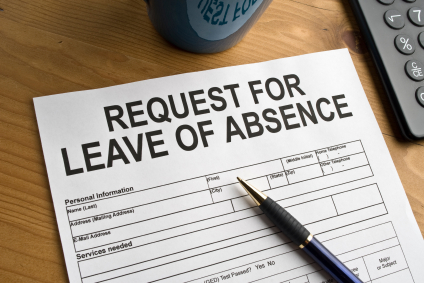
Three words that leave even the most cool, calm and collect Finance chiefs reaching for their Advil and/or Tums: Intermittent FMLA leave.
That’s because even under the most ideal circumstances this type of leave is a challenge to accurately administer.
In fact, more than one-third (35%) of employers said “tracking intermittent FMLA leave” as either “difficult” or “extremely difficult,” according to a recent SHRM study.
Because intermittent leave administration is such a daunting task, employers need to take advantage of every tool they have at their disposal.
To that end, Teresa Burke Wright, a an employment attorney with Jackson Lewis LLP, offers the following checklist of intermittent FMLA best practices:
1. “Dock” pay when necessary
If a staffer is using paid time off during their intermittent FMLA absences, double-check you’re making all appropriate deductions from their PTO bank. No PTO leave left? Here, employers can generally “dock” the workers pay even if they’re an exempt employee.
2. Enforce “call-in” policies
Courts have ruled that it’s OK for employers to make workers on intermittent FMLA adhere to standard call-in procedures and give advance notice of absences whenever possible.
The key here is be consistent when it comes to enforcing the policy.
3. Explore transfer options
If the employee is taking leave “for purposes of planned medical treatment,” it’s OK to transfer that person to a different position that works better for the leave. (Note: This option isn’t permitted when the employee’s leave is for unpredictable absences.)
Key: Although the duties can be different, the pay and benefits of the position must be the same. Plus, the person must be restored to their original job when the intermittent FMLA ends.
4. Recertify regularly
This is one of the most important tools employers have at their disposal to prevent intermittent FMLA abuse.
Example: An employee’s doctor estimated he’d be out around twice every month for two-to-three days at a clip, but the absences are more frequent and last longer. Here, you can recertify on the grounds the absences mark a “significant change in circumstances.”
5. Remember fitness-for-duty certs
When employers have genuine concerns about a staffer’ s ability to safely do their job because of the condition that required leave, they shouldn’t shy away from requiring a fitness-of-duty cert. While this can’t be done after each absence, it can be done fairly regularly — e.g., every 30 days or so.
- Share on


Free Training & Resources

Further Reading
Influential people who have positive attitudes can help others around them think more positively. The opposite is also true. Negative pe...
Illinois’ Family Neonatal Intensive Care Leave Act took effect on June 1, providing employees with children in a neonatal intensive c...
Oregon’s companionship services exemption is narrowing for home care agencies under Senate Bill 1518. SB 1518 freezes Oregon’...
A D.C. hospitality business will pay more than $243,000 after an investigation found worker misclassification and other wage and hour viola...
An urgent care facility in Georgia has agreed to pay $113,199 to resolve alleged violations of the federal Fair Labor Standards Act (FLSA)....
Finance rarely sees jury duty or bereavement as risk. They’re payroll line items. Until courts link them to USERRA military leave –...


