Patent office workers bilk the government for $18M in hours not worked

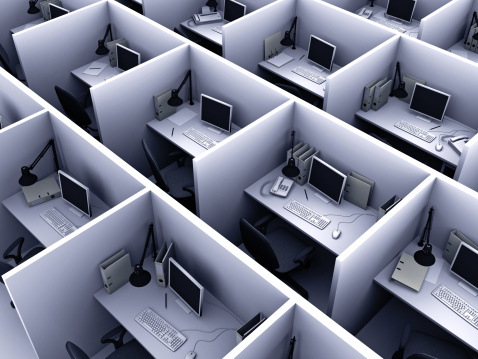
Your tax dollars NOT at work: A federal investigation into the Patent and Trademark Office has revealed that patent review clerks were paid more than $18 million for hours they never worked.
The news comes in the form of a report from the Office of the Inspector General. The study covered 15 months in late 2014 and 2015. According to the report:
- For the 15-month period, investigators found 288,479 “unsupported hours” — which equates to over $18.3 million in wasted taxpayer dollars.
- Approximately 28.5% of the total unsupported time consisted of overtime hours. The overtime hours equate to over $5.4 million in potential waste.
- 415 of all examiners covered in this analysis had 10% or more unsupported hours and accounted for 43% of the total unsupported hours.
- The USPTO paid approximately $7.8 million in bonuses to the 415 examiners. 310 of those received above-average annual performance ratings and accounted for nearly 98,000 unsupported hours. 56 of the same 415 examiners claimed unsupported hours equivalent to three days for every 80 hours of computer-related work time.
- The total unsupported hours could have reduced the patent application backlog by approximately 15,990 cases. That’s significant because the patent office whittle has had a long-standing backlog, according to a story in The Washington Post. That backlog stood at about 550,000 applications last spring.
- The USPTO does not require teleworkers to log in to their computers on workdays if they do not telework full-time.
- Although the majority of examiners with unsupported hours received average or better performance ratings, the USPTO requires that only poor performers provide their supervisors with work schedules. The USPTO doesn’t require on-site examiners to swipe their ID as they leave the building, only when they report for work.
The OIG adopted a conservative approach in considering the evidence, the report said, resulting in the investigators excluding a significant number of unsupported hours in order to ensure that the methodology did not assume unfairly that a particular examiner was not working. As a result, investigators determined that the real scale of fraud is probably double that cited in the report.
The most galling part of this story? The investigation’s findings will not result in repercussions for any no-show employees, the Post said. Investigators did not recommend that patent officials pursue administrative or criminal action against any individual examiner because the inspector general is prohibited under federal privacy laws from disclosing their names.
- Share on


Free Training & Resources
White Papers
Provided by Anaplan

Further Reading
The Department of Labor (DOL) has been planning for over a year to revise its overtime exemption regs, with May as its latest deadline. So ...
A new opinion letter looked at whether one company needed to add bonuses into its overtime calculations under federal law. The answer fr...
For most employers nationwide, the new salary threshold for who’s exempt from the federal overtime and minimum wage requirements took eff...
The Secure 2.0 Act of 2022 brought big retirement plan changes. But in spots, the wording wasn’t clear, leading to uncertainty among ...
B notice season (September through October) can be a minefield for A/P pros because nobody wants the extra work of calculating 24% backup w...
Beware of auto pilot when issuing expense reimbursement checks to employees. Some, or all, of the money may technically be wages instead. ...


